



באיזה שבט אתה
What's your tribe
הגלריה במרכז אמנויות מעלות תרשיחא
The Gallery at Ma'alot Tarshiha Arts Center
2025
2025
צילום: דניאל חנוך
Photography: Daniel Hanoch
אוצרות: מיטל קילמניק
Curatorship: Meital Kilemnik
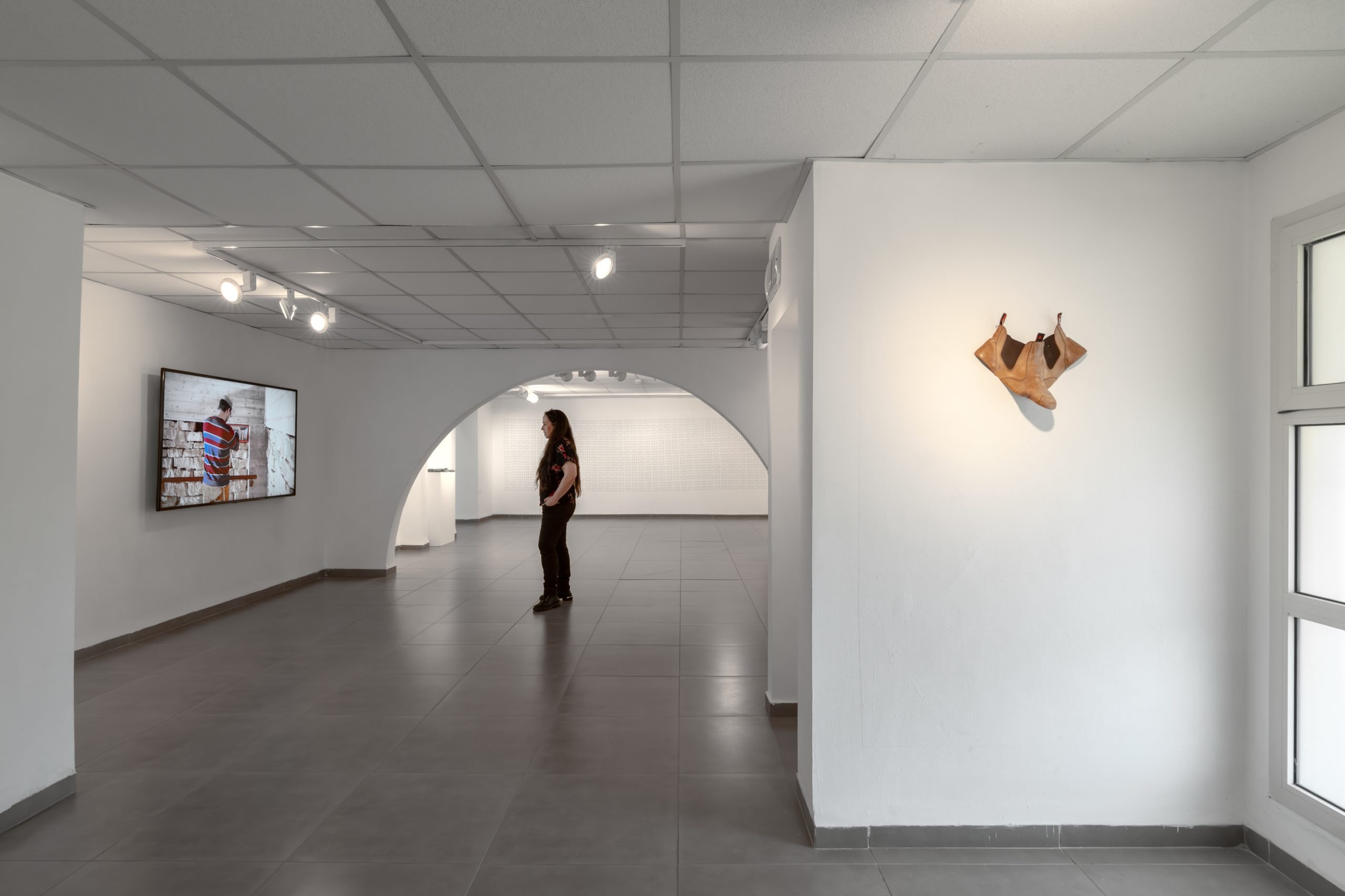
הבגד הוא עדות. יותר מציפוי לגוף, הוא ארכיון של זיכרון ומסורת, הנושא על גבו את עקבות ההיסטוריה האישית והקולקטיבית. בתערוכה באיזה שבט אתה? פורש דוד (דוכי) כהן, אמן והיסטוריון יליד מעלות-תרשיחא, שדה פעולה שבו טקסטיל, רדי-מייד ווידאו הופכים לכלי חקירה של זהות לאומית ודתית-אישית – השזורים זה בזה. הבחירה להציג בגלריה שבמרכז האמנויות ע״ש אפטר-ברר בעיר הולדתו איננה מקרית. המהלך הזה מטעין את מושג הזהות במשמעות מקומית, קהילתית ורגשית. התערוכה נפרשת כמעשה אמנות וכמעשה של שיבה, חיבור, זיכרון וצמיחה תרבותית במקום בו גדל האמן.
כהן, בוגר בית הספר לאמנות "פרדס", נמנה עם הדור הצעיר של אמנים דתיים המבקשים להגדיר מחדש את האמנות היהודית העכשווית ואת שפתה. דור זה נע בין מחויבות למסורת לבין שימוש בשפה קונספטואלית ובכלים ביקורתיים של האמנות העכשווית. כהן פועל מתוך התבוננות בחומרי היומיום וטוען אותם במשמעויות של זיכרון, שייכות והנצחה, ובה בעת מעלה שאלות על יחסי גוף, לבוש וזהות. מהלך זה מתכתב עם תפיסתו של ולטר בנימין, שראה את החפץ כנושא "הילה היסטורית". לתפיסתו, לא הכוח כשלעצמו חשוב, אלא ההקשרים, הזיכרונות והמשמעויות שהקולקטיב מטעין אותם בו.
העיסוק בפרטי לבוש בתערוכה מדגיש את המתח בין זהות אישית לתודעה קולקטיבית. הבגד, אינדקס של הגוף, שומר על עקבות של מגע ושחיקה, אך בהיעדר הגוף עצמו הוא הופך לאובייקט מרחף בין ייצוג להיעדר. העבודה זה אומר הכל מורכבת מפיסות חולצות משומשות של הישיבה התיכונית בה למד כהן, עליהן הודפסו משפטים ואיורים. כהן ממליץ לדפדף מילולית בזיכרון קולקטיבי: ריח הגוף וחומרי הכביסה, המגע המחוספס, ההדפסים הכוללים משפטים ואיורים אותם ציירו נערים על הבד, כל אלה מבקשים לעורר מחשבה על זיכרון של חברה, של מוות ושל זמן מלחמה ביתר שאת בעת הזו.
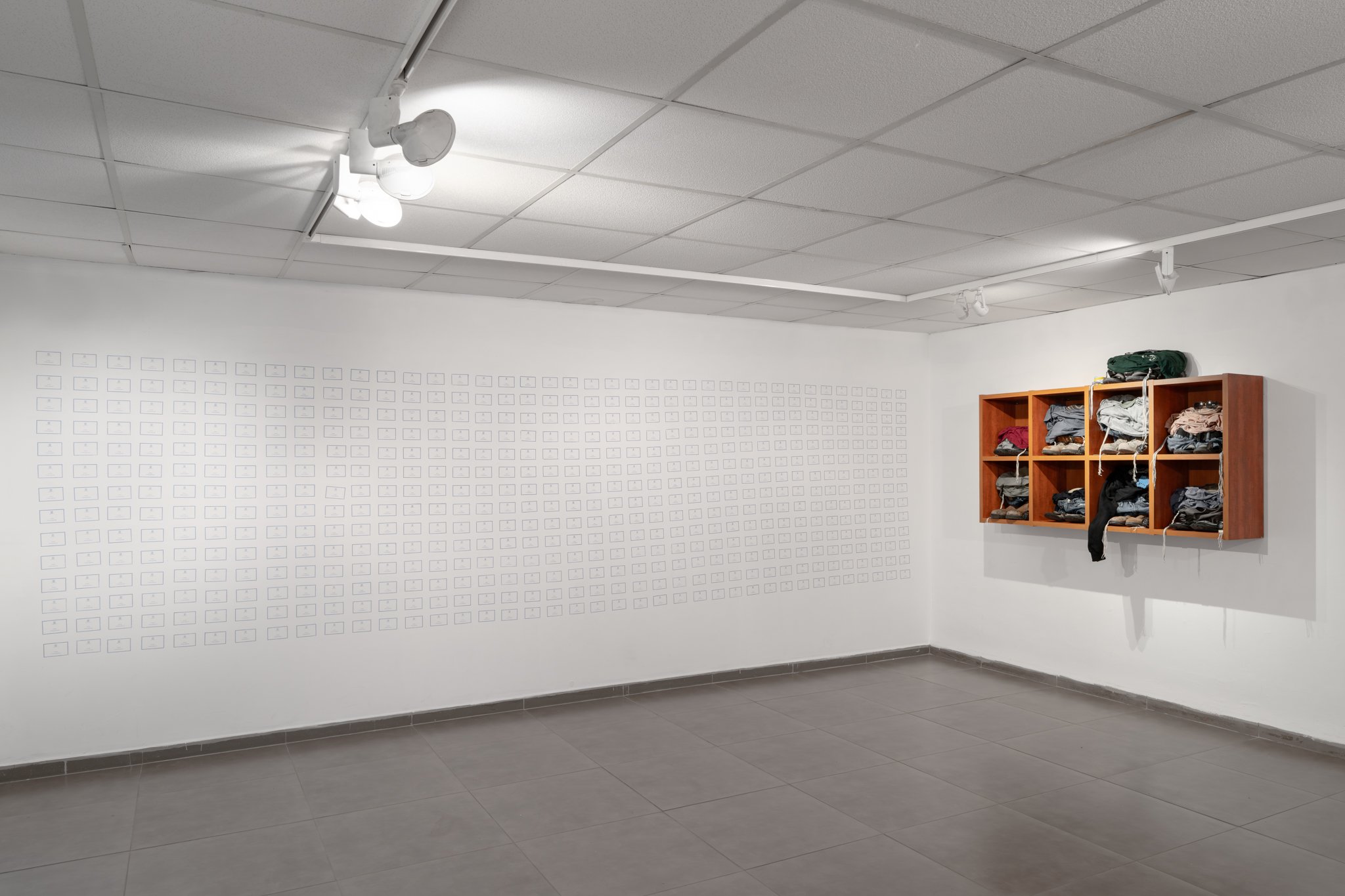
ביצירה "קוד לבוש" רכש כהן מחבריו ומכריו בחברה הדתית-לאומית תשעה סטים מלאים של לבוש, מכף רגל ועד ראש. הבגדים המוצגים אחד לצד השני מראים את הדימיון הרב בניהם, אך גם את הניואנסים האישיים בהם מתייחד כל סט. באמצעות פעולה זו הוא חוקר את השאלה האם הבגד מבטא אינדיבידואליות או מוחק אותה לטובת השתייכות שבטית. כהן מבקש לאזן בין ה"אני" ל"אנחנו" ובין החוויה האישית למרחב הציוני-דתי שבו היא נרקמת. תפיסה זו מציגה את הגוף כ"שדה קרב של כוחות", כפי שהגדיר מישל פוקו. אצל כהן הגוף נעדר, אך הבגד נותר כשריד של מאבק זהותי, מגדרי ולאומי.
העיסוק בטקסטיל נטוע עמוק במסורת היהודית, החל מן המעיל של ספר התורה ועד לפרוכת בית הכנסת, מהטלית ועד כיסוי החלה. כהן מחיה את העיסוק במונחים עכשוויים, ומחבר בין היודאיקה לבין האמנות הקונספטואלית. כגבר הפועל בחומר המזוהה היסטורית עם מלאכת נשים, הוא מערער על ההבחנה המגדרית שבין מלאכה ליצירה. בעבודתו "באיזה שבט אתה" הוא רוקם בחוטים על בד גבינה דוגמה כמעט זהה לזו המופיעה על סנדלי חברת "שורש", דוגמה רווחת בקרב גברים מהחברה הדתית-לאומית וגם החילונית. בדוגמה הרקומה, שתל גם דימויים מהחי והצומח בארץ ישראל והניח אותה על חפצי יודאיקה – אצבעות לספר תורה שגילף מעץ, ובכך מקדש את המוטיב השבטי-יומיומי. במעשה זה מבצע כהן פעולה משולשת: ראשית, הוא מטעין את מלאכת הרקמה בזיקה גברית ציונית-דתית, ומצוי בדיאלוג עם אמניות כמו טרייסי אמין וסיגלית לנדאו; שנית, הוא מגדיל את הדוגמה לטוטם עד שהיא הופכת לסמל קדוש; ושלישית, הוא שואל כיצד דימוי אתני-שבטי שמקורו בשבטים אינדיאנים, הפך למייצג של ישראליות עכשווית ולסמל של גבריות ישראלית, דתית וחילונית גם יחד.
בעבודת הווידאו "הקדש הר הרצל" מתמודד כהן עם שאלת ההנצחה הלאומית מול הדתית. האתר הלאומי הקדוש, בו נמצא קברו של חוזה המדינה, משמש כזירת טקסים רשמית. כהן חושף בו רבדים נוספים. בעיון בארכיונים הוא מצא תיעוד על תפילות שנערכו בהר בשנותיה הראשונות של המדינה ועל יוזמות ובקשות להקים בו בית כנסת ולבנות מתחמי תפילה. נוכחותו של האמן במרחב זה והצבת מדף ובו סידורי תפילה אמיתיים ובדויים בסמוך לקבר, מערערת את החילוניות המובנית של האתר ומציעה קריאה מחודשת של המקום לא כאתר זיכרון בלבד אלא כמרחב דתי-אזרחי משולב. המהלך של כהן נע בין תיעוד לביקורת, בין שימור לשיבוש, ובכך הוא מזכיר התערבויות של אמנים כאליעזר זוננשיין, שהכניס חפץ אסור למוזיאון תל אביב ובכך ערער על גבולותיו של הממסד או של האמן עידו ברקוביאר, שצילם בהר הרצל פעולה טקסית של ניקיון הקבר כמעשה של שימור מיתוס וחילולו גם יחד.
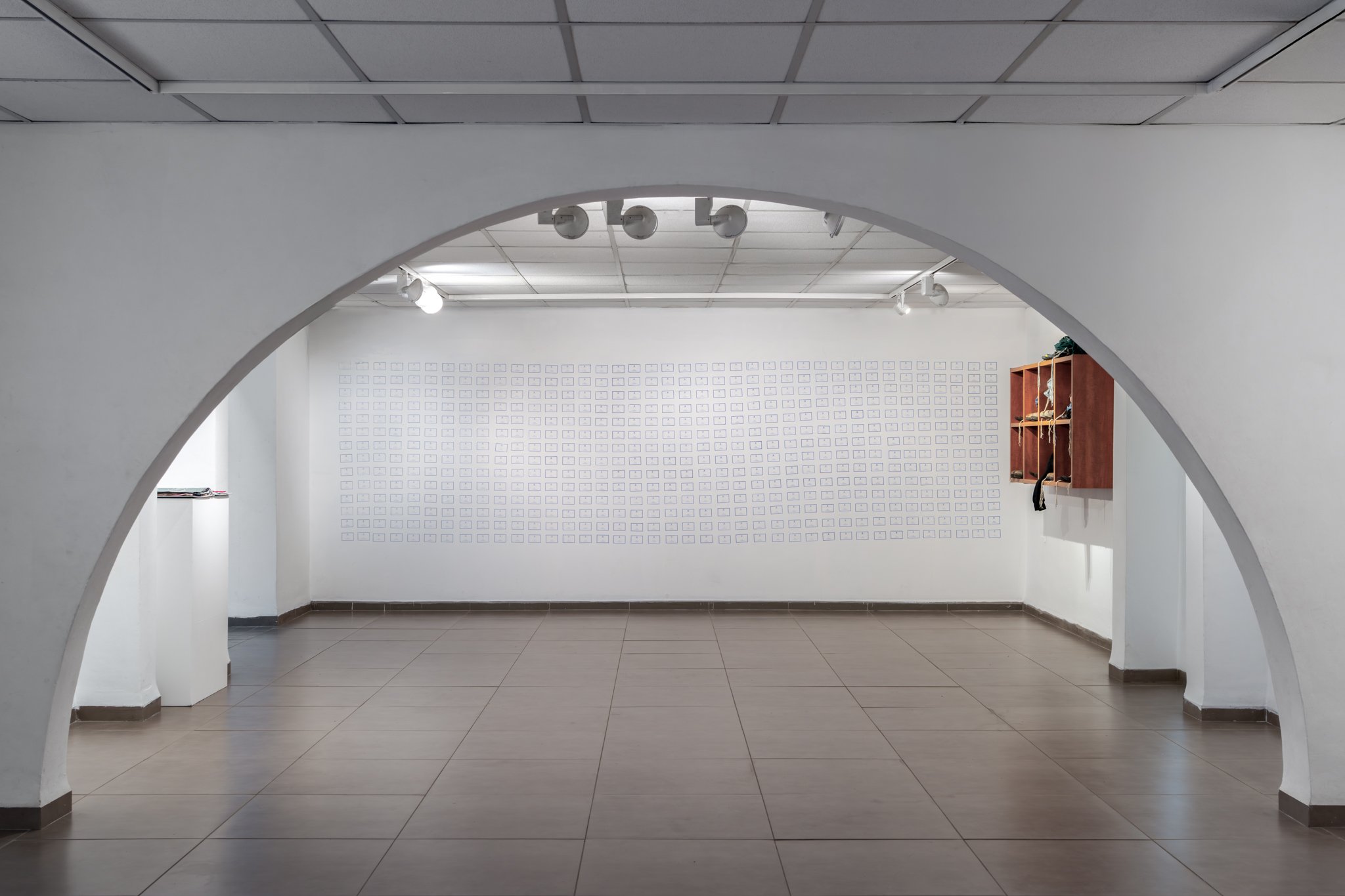
גם בעבודה "כרטיס השתתפות בלוויה" ניכר החיבור בין מחקר היסטורי למהלך אמנותי. כהן חושף תיעוד חשאי מראשית שנות החמישים שנושאו תכנון ההלוויה העתידית של חיים ויצמן, הנשיא הראשון של המדינה. הוא משתמש בדוגמת כרטיסי ההזמנה ששרדו כדי ליצור חותמות על קיר הגלריה, ובכך מעביר את הכוח מהמסמך הארכיוני לפעולה האמנותית. טקסי מוות, משטור השכול וההבחנה בין מוות לחיים במדינה רוויית זיכרון כל אלה נטענים מחדש באמצעות מחווה צורנית מופשטת לכאורה.
עבודותיו של כהן מהוות קריאה מחדש של סמליות ושבטיות. ייצוגי הגוף הנעדר, רצועת סנדל, חולצת תלמיד ישיבה, כרטיס לוויה או פאות גזורות, מהדהדים את המתח בין הסמלי לאישי, בין ההיסטורי לעכשווי. זהות גברית דתית-ציונית נחשפת כאן כמתח מתמיד בין אידיאל קולקטיבי לבין ביטול היחיד. בכך נוצר דיאלוג פורה בין הגוף המדומיין לגוף החסר, בין קודש לחול, בין טקסיות לשיבוש.
התערוכה מזמינה את הצופה להתבונן מחדש בפרטים שנדמים כמובנים מאליהם: הבגד, האריג והחפץ, דרכם נחשף עומק רגשי, סמלי והיסטורי המהדהד את ההקשרים שבין פרטי לציבורי, בין דתי לעכשווי ובין האישי לשבטי. הצבת התערוכה בגלריה קהילתית במעלות-תרשיחא, שהיא עיר מעורבת, מעמיקה את משמעות המהלך. זו אינה רק תערוכת יחיד, אלא פעולה של שיבה אל המקום, אל השורש, אל האדמה.
במובן זה, קולו של כהן מהדהד בדיון רחב על זהות ישראלית רב-שבטית. שמה של התערוכה נגזר משאלה נפוצה בקרב בוגרי תנועת "בני עקיבא", בעזרתה מבררים את גילו של אדם על פי שמו של ה"שבט" שהוא שכבת הגיל שלו בתנועה. היא מצטרפת גם לשיח שהעלה הנשיא ראובן (רובי) ריבלין בנאום שקיבל את השם "ארבעת השבטים", בו תיאר את החברה הישראלית כמרקם המורכב משבטים שונים: חילוני, דתי-לאומי, חרדי וערבי, החולקים מרחב אחד, ולעיתים חיים זה לצד זה ולא זה עם זה. כהן, דרך פעולותיו האמנותיות, מגלם את האפשרות לחיבור מחודש בין השבטים. בין קודש לחול, בין מרכז לשוליים, בין זהות דתית לזהות חילונית. יצירתו פותחת, בלשונו של מרטין היידגר, עולם שבו זהויות נפרמות ונשזרות יחד מחדש, לאריג של זיכרון ותקווה.
Clothing does not merely cover the body: it is testimony, an archive of memory and tradition bearing the traces of personal and collective history. In David “Duchi” Cohen’s solo exhibition, “What’s Your Tribe?” the artist/historian born in Ma’alot- Tarshicha presents a field for action in which fabric, readymades, and video become a tool to study the intertwined national/religious/personal identity. It is not by chance that the exhibit is being shown at the Apter-Barrer Arts Center in Cohen’s birthplace. The choice charges the concept of identity with local, community, and emotional significance: the exhibition is an art action of return, connection, memory, and cultural flourishing in the artist’s birthplace.
Cohen, a graduate of the Pardes Art School, Givat Washington (an academic art program for the religious community), belongs to the younger generation of religious artists attempting to redefine contemporary Jewish art and its language. This is a generation moving between commitment to Jewish tradition and the use of the conceptual language and critical tools of contemporary art. Cohen bases his work on observation of objects of daily life, imbuing them with meanings of memory, belongingness, and commemoration, while simultaneously raising issues of the relationships between the body, clothing, and identity. This step corresponds with Walter Benjamin’s concept of the object as bearing an “historical aura” according to which the object’s own physical power is not what is important, but instead its contexts, memories, and the meanings it has been charged with by the collective.
Duchi’s engagement with items of clothing in the exhibition emphasizes the tension between individual identity and collective consciousness. Clothing is the index of the body, preserving traces of contact and wear and tear. However, in the absence of the physical body, the piece of clothing becomes an object hovering between representation and absence. This says it all is comprised of pieces of used shirts from Cohen’s yeshiva high school, printed with verses and illustrations as an invitation to literally peruse the collective memory: the scent of bodies and detergent, rough texture, words and drawings the teenagers drew on the fabric all stimulate thoughts about society’s memory, death, and the war overwhelming everyone at this time.
Dress Code was made of seven complete suits of clothing – as worn “from head to toe” – that Cohen acquired from male friends and acquaintances from the National Religious sector. Installed side by side, the sets of clothing show great similarities as well as individual nuances differentiating them. This action was the means of exploring the question as to whether clothing expresses or erases individuality in favor of tribal belonging. Here Cohen seeks to balance the “I” and the “we,” seeking equilibrium between personal experience and the space of Religious Zionism in which it took shape. His approach represents the body as what Michel Foucault called the “battlefield of forces”. In Cohen’s piece, the body is absent but the clothing remains as a relic of the identity, gender, and national struggles.
The engagement with textiles is deeply entrenched in Jewish tradition, from the Torah Scroll mantle to the curtain of the synagogue’s Holy Ark, through the tallith [prayer shawl] and the festive cloth covering the challah. Cohen revives this engagement using contemporary concepts, connecting Judaica with Conceptual Art. As a male artist using material historically identified with “women’s work,” he challenges the gendered definition between “craft” and “fine art”.
In Which tribe are you? Cohen uses thread on cheesecloth to embroider a pattern similar to the one used on Shoresh sandals, commonly used by so many young men in the National Religious as well as the secular sectors. Into this pattern, Cohen inserted images from the flora and fauna of Eretz Israel, placing them on Judaica objects – wooden Torah Scroll pointers that he carved, thus sanctifying the daily-tribal motif. Cohen has actually conducted a triple action: first, he charged the embroidery with a male Religious Zionist association, in dialogue with women artists such as Tracy Emin and Sigalit Landau.
Second, Cohen enlarged the pattern into a totem that becomes a sacred symbol ; and third, he asks how an ethnic-tribal symbol that originated with Native American tribes has become the representation of contemporary Israeliness and a symbol of both religious and secular Israeli masculinity.
In the video art The Mt. Herzl Hekdesh [Trust] Cohen addresses the issue of national vs. religious commemoration. The sacred national precinct in which the visionary of the state is buried is used in the piece as the arena for official ceremonies. Cohen exposes additional layers in the site through perusing the archives, where he found documentation of prayers held on Mt. Herzl in the early years after Israel’s independence, as well as applications and projects seeking to establish a synagogue and areas for prayer. The presence of the artist in this space, where he installed a shelf adjacent to Herzl’s grave with genuine and fake prayerbooks, challenges the built-in secular aspect of the site, proposing a re-reading of the place not solely as a commemorative site but as an integrated civil-religious space.
Cohen has made a move between documentation and critique, moving between preservation and disruption. His action is reminiscent of art actions by others such as Eliezer Sonnenschein who brought a “forbidden object” into the Tel Aviv Museum of Art, challenging the institutional limits, or Ido Bercovier’s filming on Mt. Herzl of the action of cleaning the grave in a ritualistic manner, as preserving the myth while simultaneously desecrating it.
The piece Invitation to a funeral has an obvious link between Cohen’s historical research and the step he took in his art. Cohen reveals secret documentation from the early 1950s planning the future funeral for Israel’s first president, Chaim Weizmann. Using the remaining sample invitations to the event, Cohen created stamps on the gallery wall to transfer the power from the archival document into an art action. Death rituals, policing bereavement, and the distinction between death and life in a country so suffused with memory are “recharged” by means of a seemingly abstract formal gesture.
Cohen’s works are a renewed call for symbolism and tribalism. The representations of the absent body, a sandal strap, yeshiva boy’s shirt, funeral ticket or shaven sidecurls (payot) resonate the tension between the symbolic and the personal, between the historic and the contemporary. Male Zionist Religious identity is revealed here as constant tension between the collective ideal and nullification of the individual. The works thus create a fruitful dialogue between the imagined and absent body, sacred and mundane, and between the ceremonial and the disruptive.
The exhibition invites visitors to observe anew the details that seemed obvious at first: the clothing, the fabric, and the object through which emotional, symbolic and religious depth is revealed, resonating the contexts between private and public, religious and contemporary, and between the individual and the tribal. Installing the exhibition in the community gallery of the mixed city of Ma’alot-Tarshicha creates deeper meaning for the action. This is not just a solo exhibition, but an act of return to place, to one’s roots, to the soil.
In this sense, Duchi Cohen’s voice resonates through a broader discussion on multi-tribal Israeli identity. The name of the exhibition is taken from a question common to “graduates” of the Bnei Akiva youth movement of asking about one’s “tribe” (name given to one’s group) which indicates one’s approximate age. The title also evokes past President Reuven “Ruby” Rivlin’s “Four Tribes speech” in which he described Israeli society as a fabric comprised of tribes: secular, Religious-Zionist, Haredi Ultraorthodox, and Arab, all sharing a common space, often living side by side with one another but not with each other. Cohen, through his art actions, embodies the option of reconnection between tribes, between sacred and mundane, center and peripheries, and religious and secular identities. Using a description of art by Martin Heidegger, Cohen’s oeuvre may be said to open up a world in which identities are unraveled and rewoven together anew to create a fabric of memory and hope.